
Every travel guide says the same thing: go to Bali between April and October. The dry season. Blue skies, calm seas, perfect beach days. And they are right, in the sense that the weather is more reliable. But plenty of couples get married in November, December or the first months of the year, and then assume Bali is off the table for their honeymoon.
January and February are generally the wettest months. November, December and March are often a mix, with plenty of dry hours.
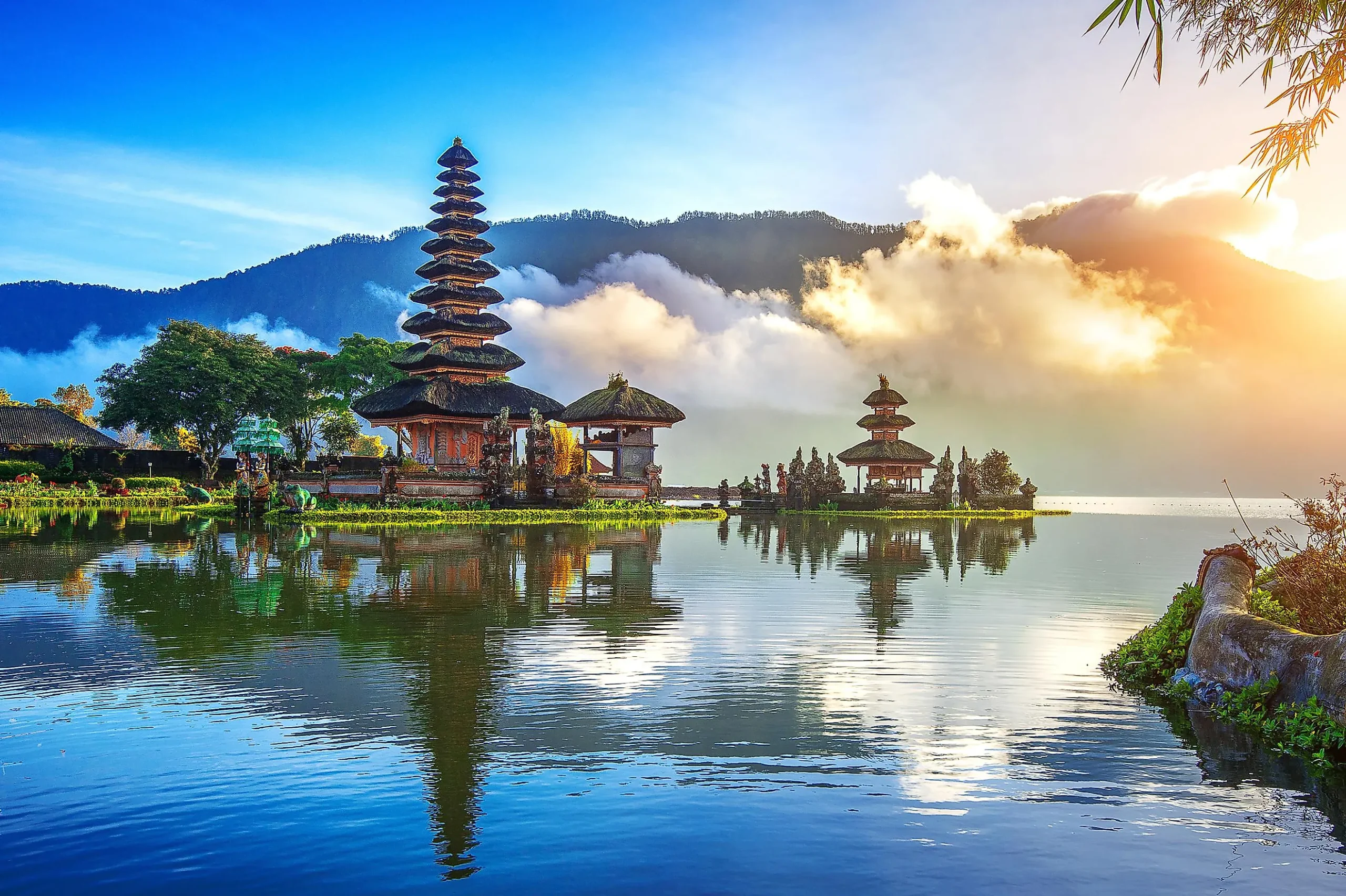
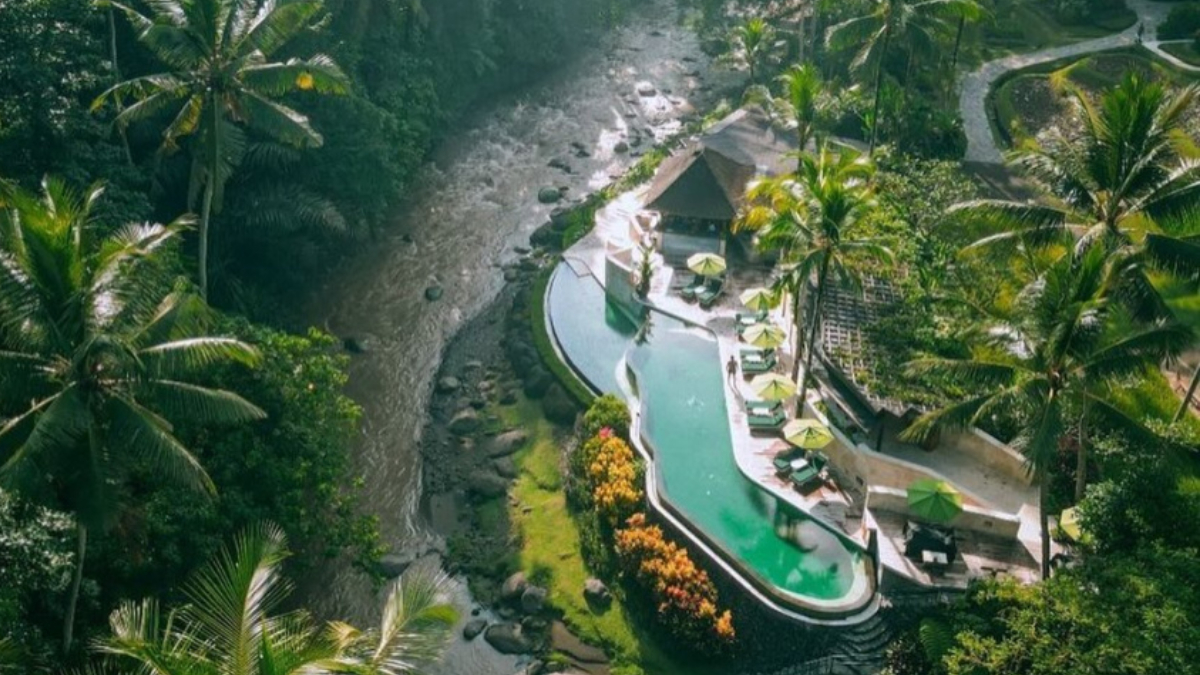
First, the island is at its greenest. The rice terraces are full and emerald. The waterfalls are at their most powerful. The jungle around Ubud smells of wet earth and frangipani. If your image of Bali is the lush, almost unreal green of the postcards, the rainy season is when it looks most like that. By the end of the dry season, some landscapes can look a little dusty and tired.
Second, there is more space. Outside the Christmas and New Year peak, the wet season is noticeably quieter. The popular temples, viewpoints and beach clubs are less crowded, restaurants have tables available without booking weeks ahead, and roads are a little calmer. For a honeymoon, when privacy and a slower pace matter, that is a genuine advantage.
Third, it is better value. Many villas and resorts lower their prices outside the peak months, and upgrades are easier to find. The money you save can go towards a better villa, a special dinner or a few extra nights. Couples who would have stayed in a standard room in August can sometimes afford a private pool villa in February for a similar budget.
Fourth, and this one is personal: rain can be romantic. Many couples swear by it. Listening to a tropical storm from a covered daybed by your pool, with a book and a cold drink, is not a bad afternoon. Neither is a long spa session while the rain drums on the roof, or a candlelit dinner as the sky clears and the frogs start singing in the rice fields. Wet-season Bali invites you to slow down, which is exactly what most newlyweds need after months of wedding planning.
Now, the honest downsides, because it would be unfair to pretend there are none:
-
Seas can be rougher, especially on the west and south coasts. Boat trips to Nusa Penida or the Gili Islands are more likely to be delayed or cancelled.
-
Some hikes become muddy and waterfall paths slippery. Sunrise treks on Mount Batur may have cloudier views.
-
Beaches on the west coast sometimes collect debris washed in by the monsoon currents, particularly in the busiest months of the wet season.
-
Humidity is high, and mosquitoes are more active.
-
Christmas and New Year are still peak season, with high prices and crowds, rain or no rain.
And who should seriously consider it? If you are more interested in nature, food, culture, spa days and time together than in guaranteed sunshine, the wet season can give you a greener, quieter and more affordable Bali. For a broader look at planning, from choosing areas to timing and budgets, this Bali honeymoon guide covers the questions most couples ask before booking, whatever time of year they are travelling.
Weather forecasts are good at predicting rain. They are less good at predicting how you will feel sitting on a villa terrace with your new husband or wife, watching a storm roll over the jungle.