

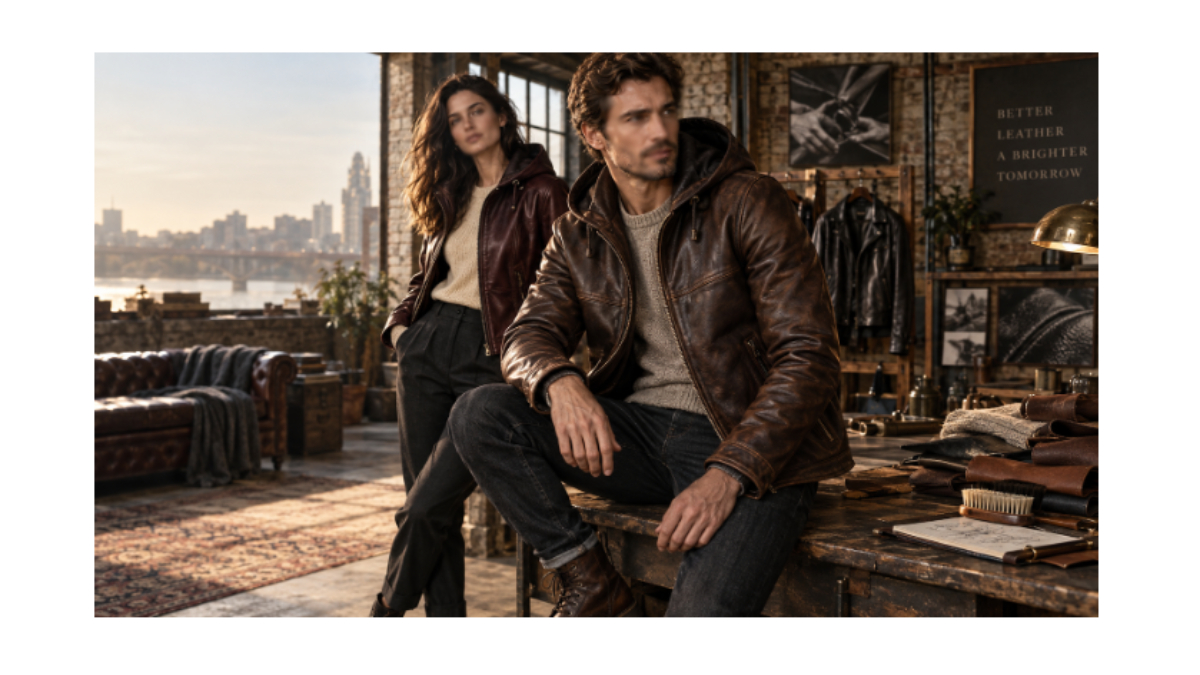
The future of mens hooded jackets may not depend only on what manufacturers create next. It may also be shaped by what already exists. Leather is different from many fashion materials because careful wear can add character rather than simply make a garment look old. Natural grain gentle creases softened areas and developing patina can become part of its identity.
This idea connects closely with Havrenn & Co. approach to leather outerwear. The brand focuses on leather pieces designed around durability craftsmanship practical wear and lasting style. Its direct to consumer model also creates a closer route between manufacturing and the customer.
As fashion considers longer product life previously worn leather deserves attention. A well maintained women hooded jacket or men’s leather layer may have potential beyond a single period of ownership. Moreover understanding materials construction care and timeless design can help explain why some outerwear is better suited to a longer fashion cycle.
Why Mens Hooded Jackets Can Fit a Longer Fashion Cycle
A major problem in fashion is the idea that every new season needs an entirely new wardrobe. Leather challenges that pattern. Quality leather can change gradually through wear while retaining its purpose and visual appeal.
For mens hooded jackets this can be particularly relevant. A hooded design combines the protective feel of outerwear with the casual function of a hood. It can work with denim knitwear boots and simple everyday layers. Therefore its usefulness does not have to depend on a short lived trend.
Havrenn & Co. places importance on leather quality and construction across its outerwear. Its leather information discusses full grain and top grain leather while its manufacturing approach emphasizes cutting stitching finishing dependable zippers and carefully selected hardware.
These details matter because the future value of previously worn leather begins with how well the original garment was made.
Leather That Changes Rather Than Simply Ages
Full grain leather retains its natural surface character. With proper use and care it can develop patina over time. Small changes in tone natural creases and variations in the grain can make one garment look different from another.
That makes mens hooded jackets interesting in conversations about previously worn clothing. A used leather jacket does not automatically have to appear outdated. In some cases its developed surface may be part of what makes it appealing.
The same principle can apply to a women hooded jacket. Instead of expecting leather to remain visually untouched long term ownership allows natural characteristics to become more noticeable.
This changes the definition of “newness.” The next chapter of fashion could place greater value on character maintenance and continued use rather than visual perfection alone.
Everyday Function Can Support Longer Ownership
A garment is more likely to stay relevant when it remains useful.
Consider mens hooded jackets worn for a cool commute weekend outing evening walk or casual trip. The hood adds practical coverage while leather provides a structured outer layer. A simple silhouette can also move between different outfits without requiring a complete change in personal style.
Similarly a women hooded jacket can work with jeans knit layers casual trousers or boots. Versatility gives the garment more opportunities to be worn.
This matters because longevity is not only about strong material. A durable garment that rarely fits into daily life still has limited practical value. Conversely outerwear that combines reliable construction with adaptable styling has a stronger reason to remain in rotation.
Mens Hooded Jackets and the Value of Existing Leather
Previously worn leather raises an important question: should signs of responsible use always reduce a garment’s value?
Leather suggests a more complex answer.
A carefully maintained jacket may show evidence of wear without losing its function. Consequently mens hooded jackets made with dependable construction could potentially move through longer periods of ownership while developing a more individual appearance.
This does not mean every old leather garment automatically becomes valuable. Condition still matters. Deep cracking serious structural damage failed hardware poor storage or neglected leather can shorten useful life.
However normal patina and natural creasing should not always be confused with damage.
Why Construction Matters Beyond the First Owner
The possibility of extended use starts long before a jacket becomes previously worn.
Panel alignment stitching seams zipper performance lining cuffs pockets and leather selection all affect how outerwear performs. Havrenn & Co. highlights craftsmanship throughout its leather collections including careful stitching and finishing along with YKK zippers and Italian style hardware.
For mens hooded jackets these details are especially important because the garment includes several functional areas. The hood front closure pocket openings cuffs shoulders and seams all experience repeated movement.
A women hooded jacket faces similar demands. Therefore shoppers considering long term value can look beyond surface appearance and examine the areas that handle regular stress.
This approach makes fashion evaluation more practical. Instead of asking only whether a jacket looks fashionable today another question becomes important: is it constructed well enough to remain useful tomorrow?
Care Could Become Part of Fashion Value
Havrenn & Co. also provides educational guidance around leather care including cleaning conditioning storage scratches wrinkles cracking and other maintenance concerns.
That information supports a simple principle: longevity requires participation from the owner.
Leather should be handled with appropriate care and protected from damaging conditions. Cleaning methods should suit the material while conditioning can help maintain suitable leather when performed correctly. Proper storage is equally important.
For mens hooded jackets attention should also be given to the hood and areas where leather repeatedly folds. Additionally a women hooded jacket should be stored in a way that helps preserve its natural shape rather than creating unnecessary pressure or distortion.
If fashion begins to value longer ownership more strongly maintenance knowledge may become almost as important as styling knowledge.
From Personal Wear to Fashion’s Next Chapter
Previously worn leather offers something a factory cannot reproduce exactly: a genuine history of use.
Manufacturing can create grain shape stitching structure and finish. It cannot manufacture the exact pattern of natural wear created by years of real movement. An elbow may soften slightly. A sleeve can develop gentle folds. The surface may gain subtle tonal depth. Together those details can make mens hooded jackets increasingly individual.
This is where leather can challenge disposable fashion thinking.
Instead of treating every visible change as a reason for replacement consumers can learn to separate attractive aging from actual deterioration. Moreover brands can support that shift by making durable products and providing clear information about care.
A women hooded jacket that remains structurally sound after regular use can demonstrate the same principle. Its previous life does not necessarily remove its relevance. In the right condition that history can become part of its appeal.
What Longer Life Leather Looks Like in Practice
A more thoughtful leather wardrobe starts with practical decisions.
Construction should be examined closely. Stitching should appear consistent closures should work smoothly and high stress areas should feel secure. Material should also be considered because different leather types age differently.
Fit matters as well. Mens hooded jackets with balanced proportions and comfortable layering space are easier to use across changing weather and outfits. The same applies to a women hooded jacket designed around practical movement rather than a highly restrictive silhouette.
Finally care should begin early rather than after obvious damage appears.
Together material knowledge construction versatile design and maintenance create a stronger foundation for extended wear. That does not guarantee that every jacket will last indefinitely. It does however make longer use a more realistic goal.
Frequently Asked Questions
Can mens hooded jackets still look good after years of wear?
Yes mens hooded jackets made from suitable leather can develop natural creases and patina with wear. Proper maintenance is important because attractive aging and material damage are not the same thing.
What should be checked when considering previously worn mens hooded jackets?
The leather surface stitching zipper lining hood attachment pockets cuffs and major seams should be examined. Well maintained mens hooded jackets should remain structurally secure and comfortable rather than simply looking good from a distance.
Can a women hooded jacket become more distinctive with age?
A leather women hooded jacket can develop subtle grain changes creasing softness and patina depending on its leather and use. These natural changes can give the garment an individual appearance when it has been cared for correctly.
Why does leather care matter for mens hooded jackets?
Regular appropriate care can help mens hooded jackets maintain their appearance and function. Correct cleaning thoughtful storage and material appropriate conditioning can support longer use and help prevent avoidable deterioration.
Conclusion
Fashion’s next chapter does not necessarily need to begin with a completely new garment. It may also begin by reconsidering the value already present in well made clothing.
Previously worn mens hooded jackets show why leather is especially relevant to that conversation. Natural grain evolving patina versatile styling dependable construction and proper care can allow a leather garment to develop rather than simply become old. A well maintained women hooded jacket can follow the same path.
Havrenn & Co. emphasis on leather knowledge craftsmanship practical outerwear direct to consumer access and care education fits naturally within this wider discussion about longevity. The important question for fashion may therefore shift from how quickly a garment can be replaced to how meaningfully it can continue to be worn.